📐 Dumpster Rental Guide
What Size Dumpster Do I Need?
Order too small and you'll need a second haul. Order too big and you're paying for space you never use. Here's how to get it right the first time.
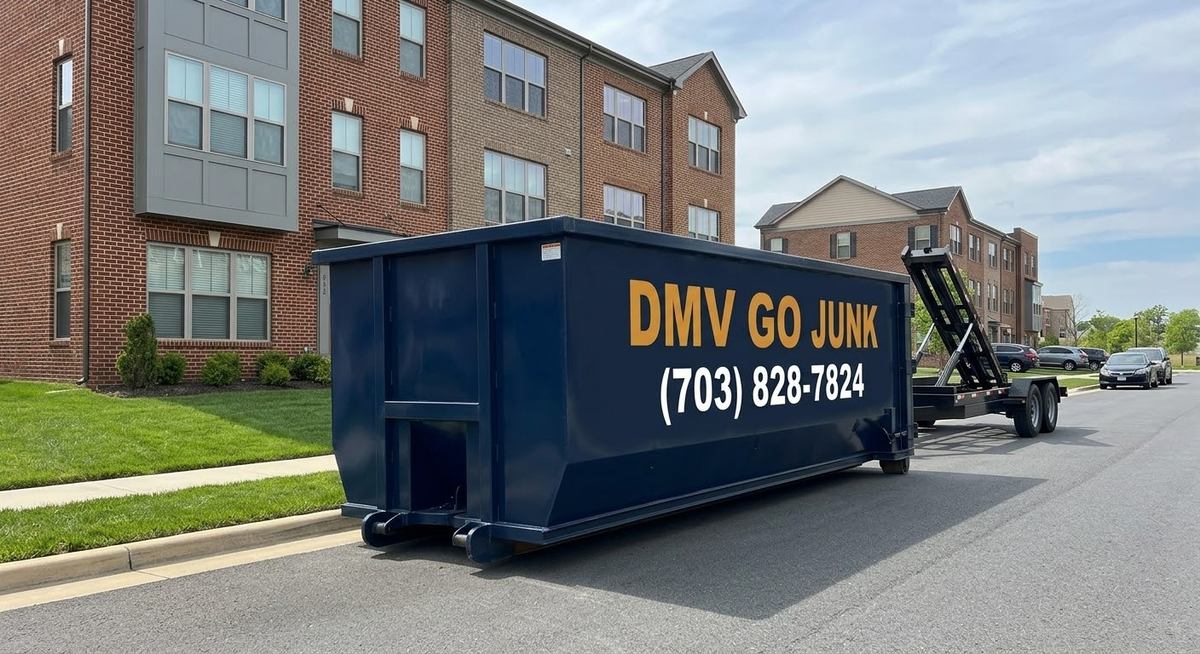
Order too small and you'll need a second haul. Order too big and you're paying for space you never use. Here's how to get it right the first time.
Roll-off dumpsters come in five standard sizes — 10, 15, 20, 30, and 40 cubic yards. A "cubic yard" is just a 3-foot cube of space (27 cubic feet), but thinking in cubic yards rarely helps anyone picture what actually fits. It's more useful to think in pickup truck loads and project type, which is how we've broken down the comparison below.
| Size | Dimensions (L×W×H) | Holds About | Typically Used For |
|---|---|---|---|
| 10 yard | 12-14' × 7.5-8' × 3.5' | 3-4 pickup loads | Small cleanouts, single room, heavy debris (concrete, dirt, tile) |
| 15 yard | ~16' × 8' × 4-4.5' | 5-7 pickup loads | Garage/basement cleanouts, single-room renovations, deck removal |
| 20 yard | ~22' × 8' × 4.5' | 6-8 pickup loads | Kitchen/bathroom remodels, whole-home cleanouts — the most commonly rented size nationally |
| 30 yard | ~22' × 8' × 6' | 9-12 pickup loads | Larger renovations, additions, estate cleanouts |
| 40 yard | ~22' × 8' × 8' | 12-16 pickup loads | Full demolition, new construction, commercial projects |
Exact dimensions vary slightly between dumpster manufacturers and haulers — always confirm the specific measurements with whoever you rent from, especially if driveway space or overhead clearance is tight.
Every dumpster size also comes with a weight limit, and dense materials hit that limit long before the container looks full. Concrete, dirt, brick, and roofing shingles are the usual culprits — a "small" pile of shingles can weigh more than a full container of furniture and boxes. If your project involves heavy material, size down on volume and ask about the weight allowance before you order.
Garage declutter, attic cleanout, small yard waste job, or heavy debris like concrete and dirt in small quantities.
Single-room remodel, bathroom gut, deck or small shed teardown, garage or basement cleanout.
Cabinets, countertops, flooring, and fixtures from a full kitchen or bathroom renovation, or a whole-home cleanout.
Multi-room remodels, home additions, framing and drywall from larger construction projects, full estate cleanouts.
Full-home demolition, new home construction, large commercial cleanouts and demo work.
If you're stuck between two sizes, it's usually worth sizing up rather than down. A dumpster that's slightly too big costs a bit more in unused space; a dumpster that's too small means a swap-out or second rental, plus the project delay while you wait for it — and that almost always costs more than the size difference would have.
Once you've got a rough idea of which size your project calls for, the fastest way to nail it down exactly is to describe the project — room count, whether it includes appliances or furniture, and whether there's any heavy material like concrete or shingles involved. A quick conversation is usually enough to land on the right size with confidence.
📅 Ready to get your dumpster scheduled?
Tell us about your project and we'll help you land on the right size — then you can reserve online or give us a call.
See Available Options →The 20-yard dumpster is generally considered the most popular all-purpose size nationally, since it handles most kitchen and bathroom remodels along with whole-home cleanouts. For smaller residential projects like a garage cleanout or a single-room renovation, a 15-yard is often plenty and takes up less driveway space.
If you fill it before your project is done, you'll either need a swap-out (the full container gets hauled away and an empty one dropped in its place) or a second rental — both cost more than getting the size right the first time. If you're between two sizes, it's usually worth sizing up.
You'll pay for space you don't use, and a larger container takes up more driveway room and needs more overhead clearance to deliver. There's no refund for unused capacity, so oversizing isn't a safe default either — it's worth actually estimating your project's volume.
Often more. Every dumpster size has a weight limit as well as a volume limit, and dense materials like concrete, dirt, brick, or roofing shingles can hit the weight cap long before the container looks full. A load that's mostly heavy debris may need a smaller container than the volume alone suggests, specifically to stay under the weight limit.
Usually yes, but always check with your hauler first — some materials (like certain types of drywall, treated wood, or anything hazardous) may be restricted or billed differently regardless of which size you rent.